
Fascinating Fascia Freedom: Resetting your nervous system through playful movement medicine
Feb 16, 2026Fascinating Fascia: Trauma, Tension & Nervous System Reset Through Movement
We often think of muscles as the key drivers of movement.
But beneath every stretch, every breath, every posture change — there is fascia.
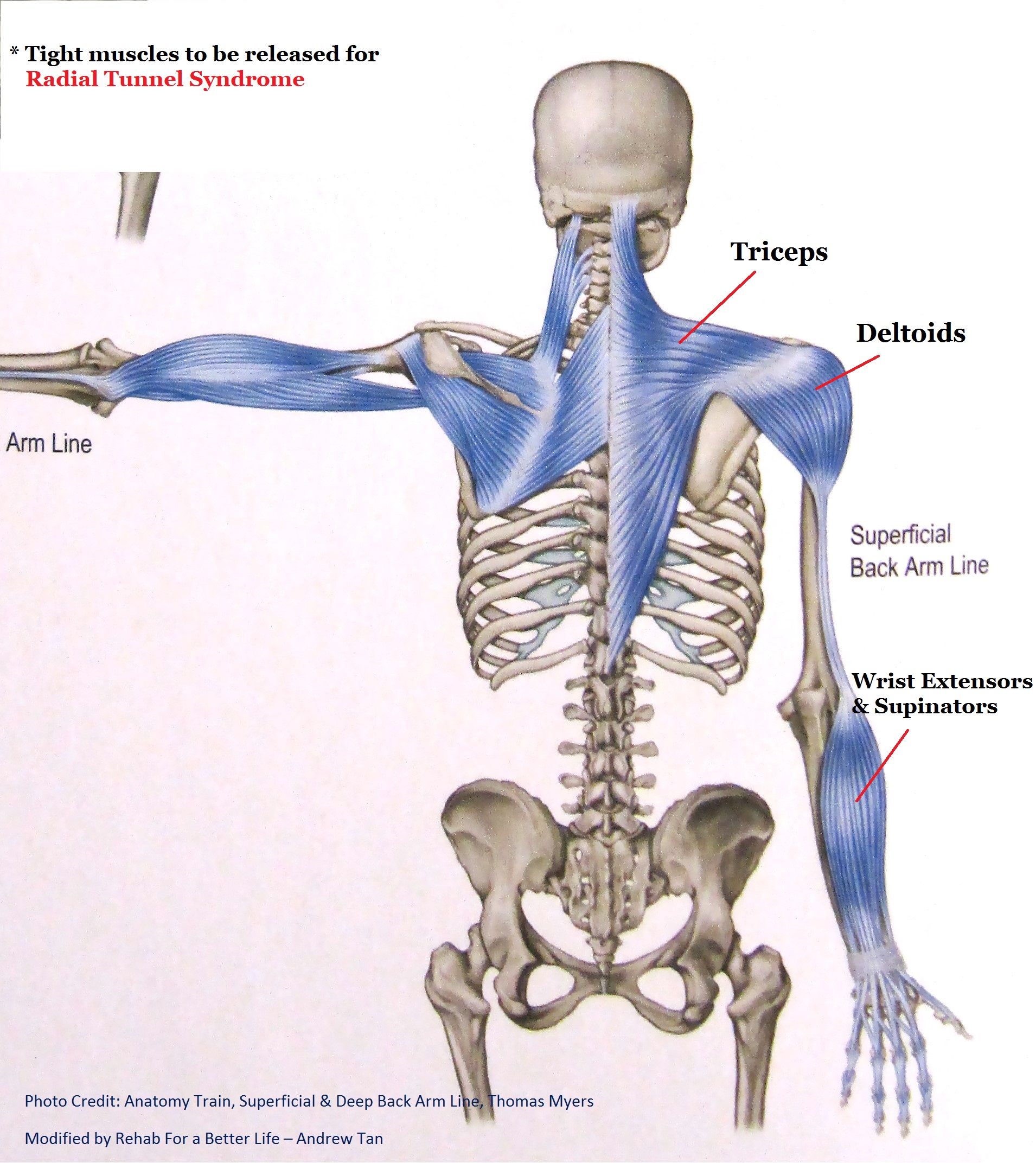
Fascia is the continuous web of connective tissue that wraps, weaves, and integrates every muscle, organ, nerve, and bone in the body. It is not separate pieces. It is one intelligent, responsive network.
And perhaps most fascinating of all:
Fascia is deeply neurological.
Fascia: A Sensory Organ of Safety
Fascia is richly innervated with sensory receptors. It contains:
-
Mechanoreceptors (sensing pressure and stretch)
-
Proprioceptors (sensing position and movement)
-
Interoceptors (sensing internal state)
-
Nociceptors (sensing threat and pain)
This means fascia is not just structural — it is constantly communicating with the brain.
Every shift in tension, every collapse, every subtle bracing pattern sends signals upward into the central nervous system. These signals influence the autonomic nervous system (ANS) — the system that determines whether we feel:
-
Safe and socially engaged
-
Alert and mobilised
-
Overwhelmed and shut down
When fascia becomes dehydrated, restricted, or chronically braced — often through stress, trauma, repetitive strain, or emotional suppression — the nervous system may receive ongoing signals of “unsafety.”
Not because something is wrong right now.
But because the body has learned to protect.
Trauma & Fascial Armouring
Trauma is not only a memory in the mind.
It is often a pattern in the body.
Protective responses — fight, flight, freeze — create muscular contraction and fascial tightening. If these patterns are not fully resolved, the fascia can remain guarded. Over time, this may show up as:
-
Chronic neck and jaw tension
-
Collapsed chest posture
-
Tight hips or braced psoas
-
Restricted diaphragm and shallow breathing
-
Persistent pain without clear structural cause
This is sometimes referred to as fascial armouring.
The beautiful news?
Fascia is adaptable.
It responds to slow, mindful, playful movement.
Movement as Nervous System Medicine
When we mobilise fascial tissue, we stimulate its sensory receptors.
New signals travel through neural pathways.
The brain receives updated information.
Slow yoga flows, spirals, oscillations, shaking, and dance increase hydration and glide between fascial layers. This changes mechanical tension — but it also changes neurological signalling.
The result?
-
Improved interoceptive awareness
-
Increased vagal tone
-
Reduced sympathetic overdrive
-
Enhanced regulation capacity
In simple terms:
When the tissues soften, the nervous system softens.
Yoga Flows & Fascial Release
Unlike traditional stretching, fascial-friendly movement focuses on:
-
Slow, sustained elongation
-
Multidirectional movement (spirals, waves, side bends)
-
Gentle pulsing and oscillation
-
Breath-led expansion in three dimensions
-
Yielding and rebounding
Yin-style holds hydrate deeper fascial layers.
Flow sequences restore elasticity.
Conscious breath mobilises the diaphragm — one of the most neurologically significant fascial hubs in the body.
The psoas–diaphragm–pelvic floor axis in particular plays a major role in survival responses. Softening here can profoundly shift our sense of safety.
Playful Movement & Dance: Reclaiming Fluidity
Trauma often reduces variability in movement. We become rigid, repetitive, guarded.
Playful movement and dance reintroduce:
-
Unpredictability
-
Rhythm
-
Joy
-
Agency
Shaking and jostling discharge excess sympathetic activation.
Free dance invites spontaneous unwinding.
Music stimulates emotional processing and co-regulation.
When we move creatively, we increase neural flexibility.
The body experiences possibility instead of protection.
And this flexibility in the body mirrors flexibility in the nervous system.
Fascia, Safety & the Autonomic Nervous System
Because fascia is so densely innervated, it continuously informs the ANS:
“Are we safe?”
“Are we supported?”
“Are we braced?”
Tension in the chest may bias us toward guarded breathing.
Tight hips may signal readiness to flee.
Collapsed posture may reinforce dorsal withdrawal.
Movement interrupts these loops.
Gentle mobilisation tells the brain:
“We are moving.”
“We are resourced.”
“We are not stuck.”
This updates the nervous system’s predictive coding — and resilience expands.
Why Movement Eases the Mind
We often try to think our way out of stress.
But the mind listens to the body.
When we mobilise fascia:
-
Circulation improves
-
Breath deepens
-
Pain reduces
-
Sensory feedback becomes richer
-
Autonomic balance restores
And the mind follows.
Clarity returns.
Creativity reopens.
Mood lifts.
This is not bypassing emotions.
It is supporting the physiological foundation that allows emotions to move.
A Gentle Fascial Reset Practice
Try this:
-
Stand and softly bounce through your knees for 30 seconds.
-
Let your arms swing loosely.
-
Add a gentle spiral through your torso.
-
Take three slow, lateral rib breaths.
-
Finish by placing one hand on your chest and one on your belly.
Notice what shifts.
Even small movements can update the nervous system.
The Invitation
Fascia connects everything.
It carries tension — but also possibility.
It stores protection — but also resilience.
When we move with awareness — through yoga, somatic flow, dance, or playful exploration — we are not just stretching.
We are communicating with our nervous system.
We are hydrating the body’s internal web.
We are sending signals of safety.
We are expanding regulation capacity.
Movement is not optional for wellbeing.
It is foundational.
And sometimes, the softest spiral or the most joyful sway
can be the doorway back to ease.
Want more of this?
Do you need more of this for your wellbeing journey, or do you want to learn more?
If this feels like something that would benefit you and you would like to work with Sarita in therapy sessions, Please send in a "Make a referral" Form.
If you would love to integrate more tools and strategies like fascia release and nervous system regulation into your therapy practice with your clients, Please reach out and contact me or check out the Embodied OT Program.
Contact Sarita
If you would like to make an enquiry and contact Sarita, please use the form below or email [email protected]
We hate SPAM. We will never sell your information, for any reason.
